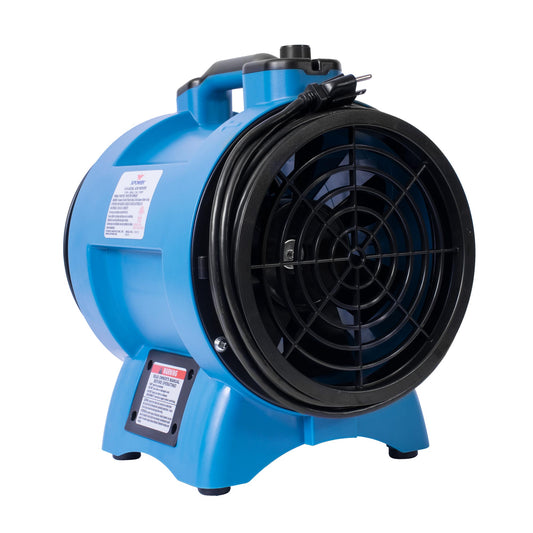
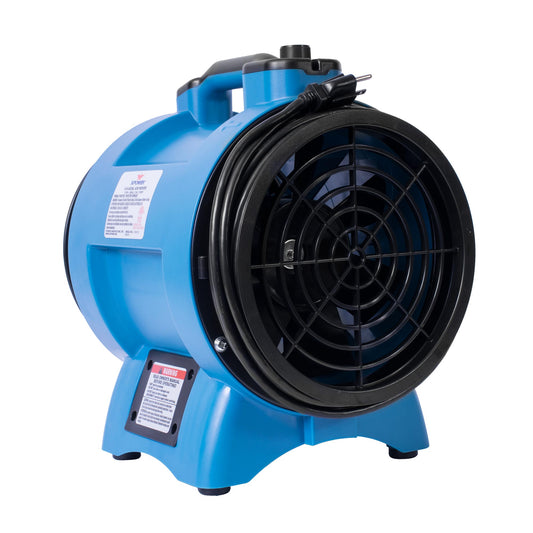
Water Damage Restoration Equipment
Professional water damage restoration equipment for structural drying, flood cleanup, moisture control and remediation.
Shop air movers, LGR dehumidifiers, HEPA air scrubbers, wall cavity dryers and complete water damage drying systems from XPOWER.
Choose the right equipment for residential, commercial and professional restoration applications, with products available to ship from Ontario, Canada.
Shop Water Damage Restoration Equipment
-
Transporteurs d'air
Focused on meeting the specific needs of professionals in the water damage...
-
Déshumidificateurs
Compact, robuste, facile à ranger et avec une capacité d'élimination d'eau exceptionnelle...
-
Épurateurs d'air
Les épurateurs d'air avec filtration HEPA multicouche effectuent des échanges d'air complets...
-
High-Temperature Fans
Professional high-temperature axial fans for bed bug heat treatment, heat-assisted drying, water...
-
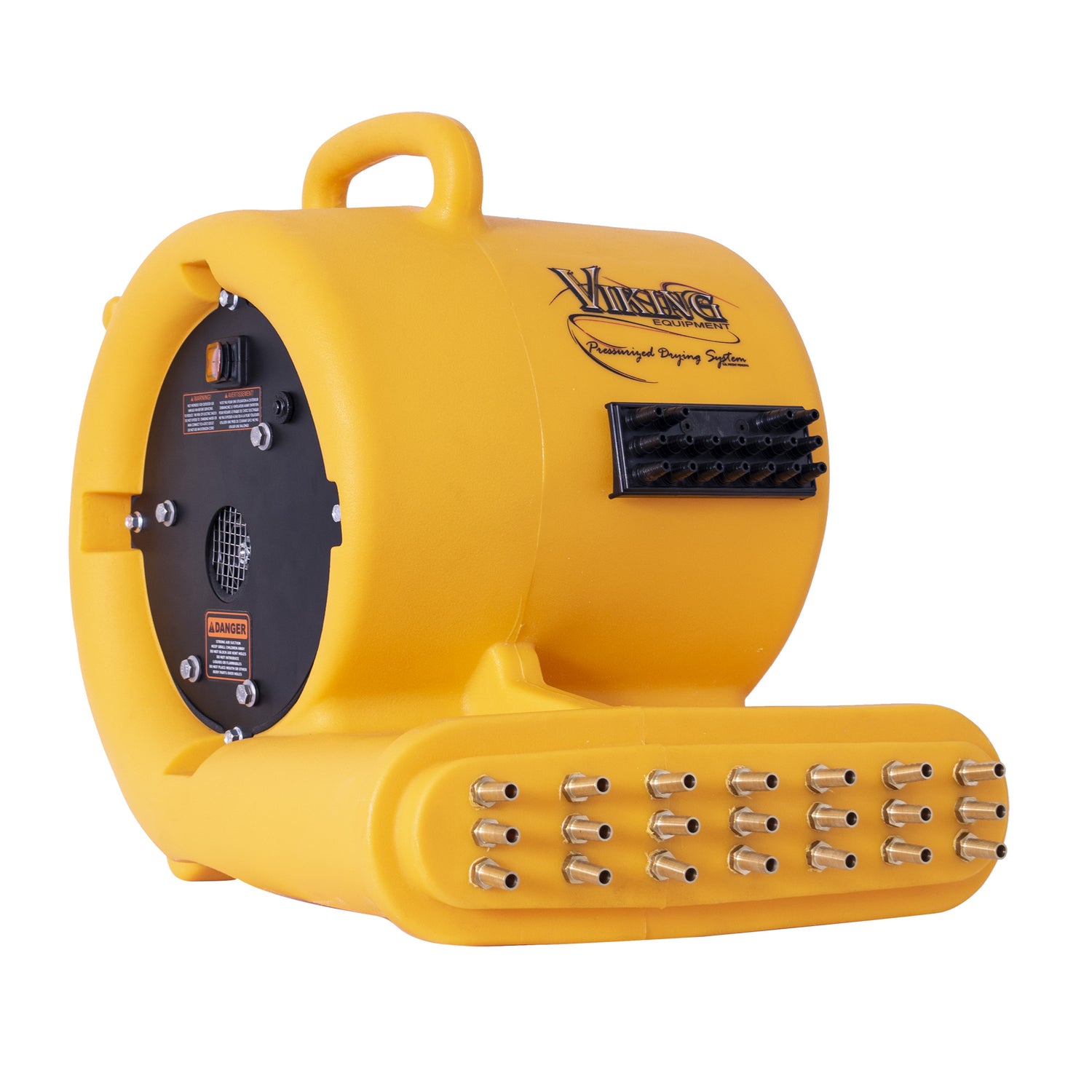
Séchoirs à cavité murale
Les systèmes de séchage à cavité murale sous pression de XPOWER vous...
Airflow Go Special Offers
-
Buy More, Save More
Get a discount every time you order two or more. Offer applies to Air Movers and Air Scrubber Filters.
-
Packaged Deals
View PackagesGet the core equipment you need to respond to water damage in one package.
More Restoration Equipment & Accessories
-
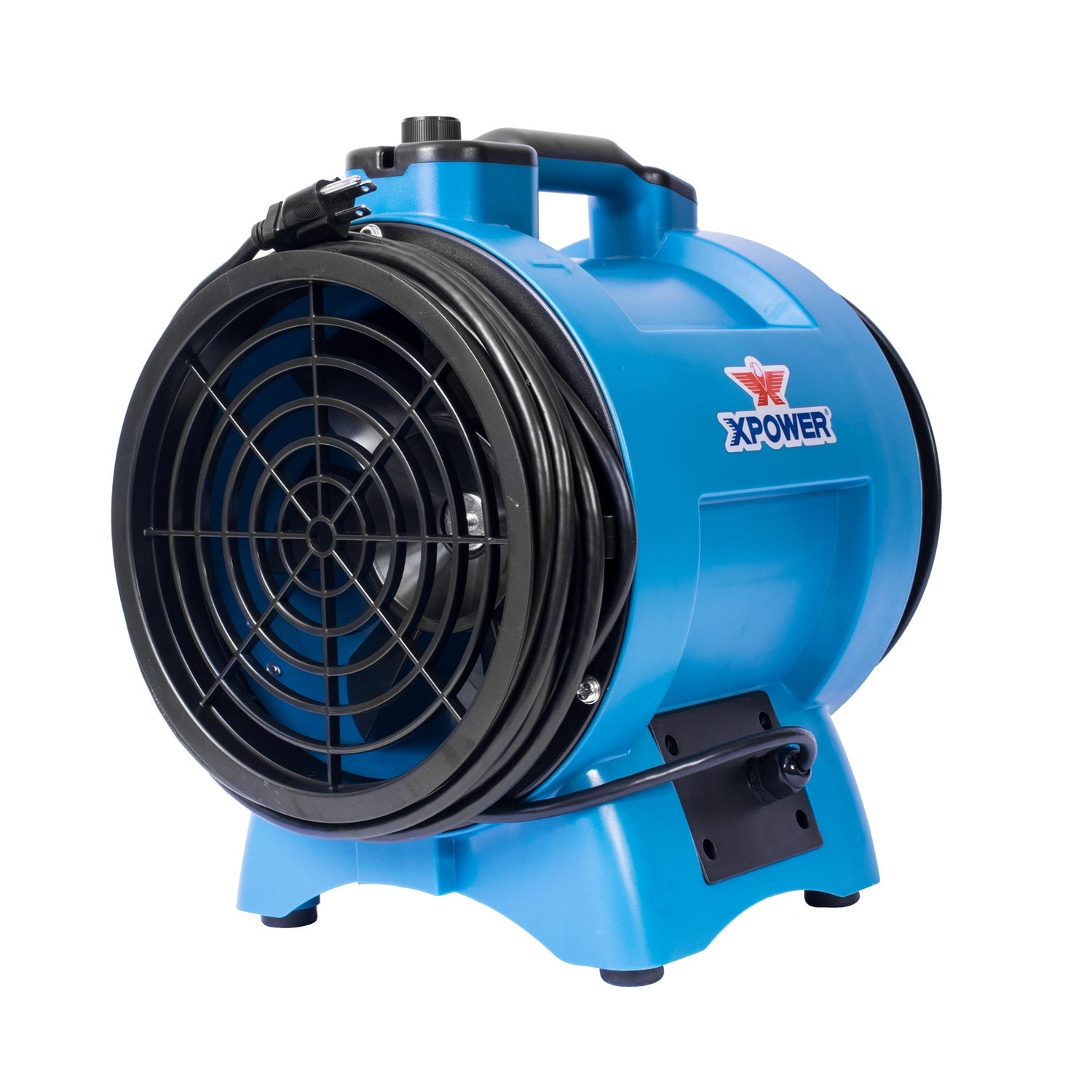
Ventilateurs pour espaces confinés
Les ventilateurs pour espaces confinés gèrent n'importe quel espace étroit avec des...
-
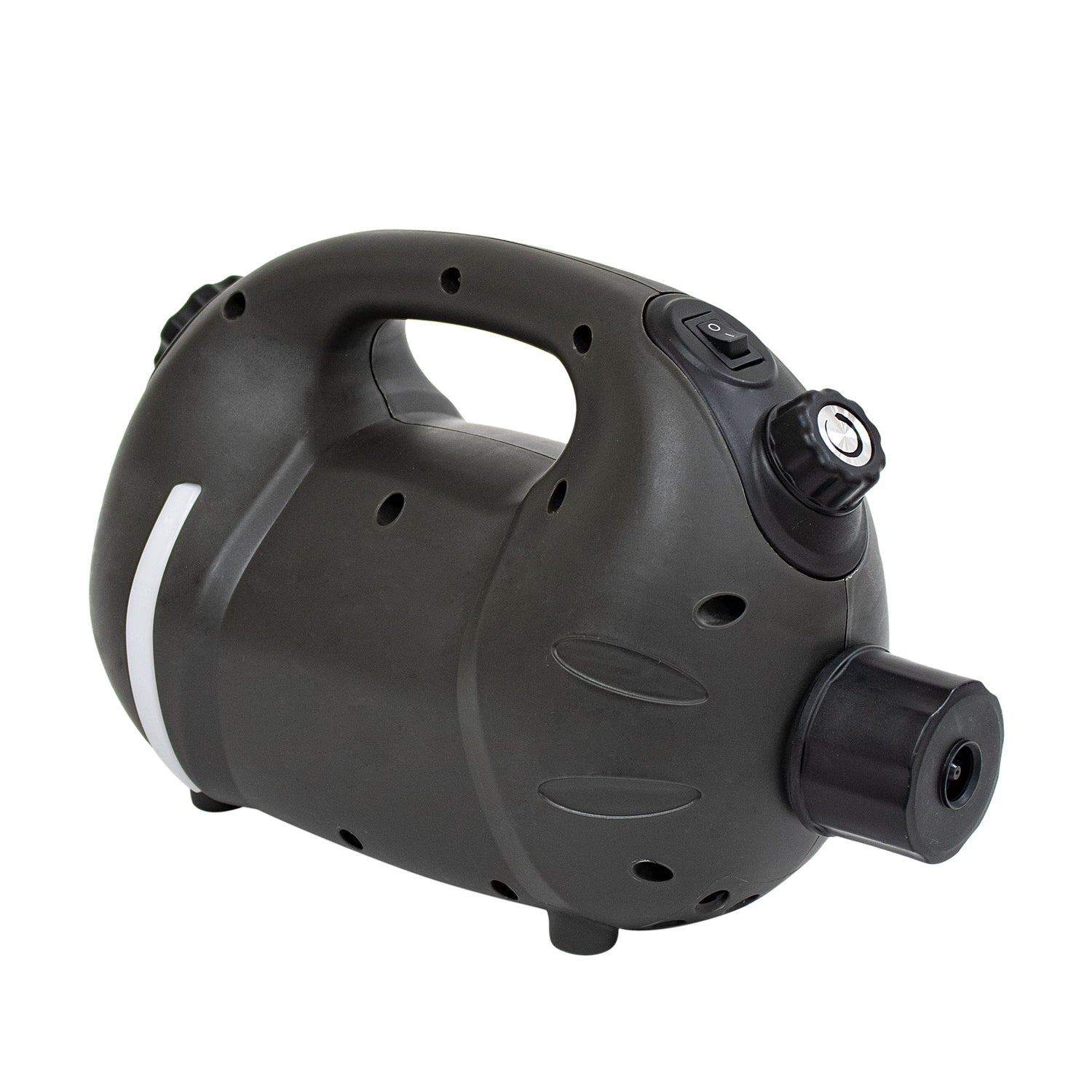
Nébulisateurs à froid ULV
Les brumisateurs traitent efficacement un espace entier rapidement et avec un minimum...
-
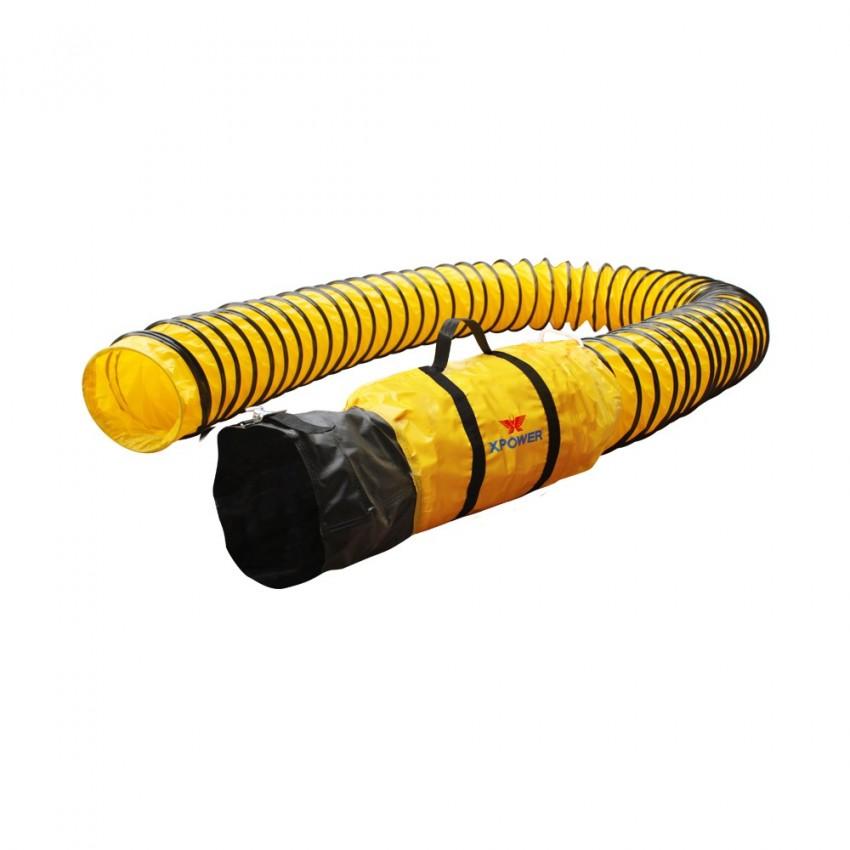
Conduits flexibles
Les tuyaux de canalisation sont utilisés pour les travaux de chauffage, de...
Water Damage Restoration Equipment
Frequently Asked Questions
What Equipment Do I Need for Water Damage Restoration?
The equipment you need depends on the size and type of water loss, the materials affected and the drying conditions. Most structural drying setups rely on air movers and dehumidification, with additional equipment used for specific situations.
Air Movers
Purpose: Accelerate evaporation from wet materials.
LGR Dehumidifiers
Purpose: Remove moisture from the air and lower humidity.
HEPA Air Scrubbers
Purpose: Filter airborne particles during restoration and remediation.
Wall Cavity Dryers
Purpose: Dry enclosed spaces behind walls and other hard-to-reach areas.
High-Temperature Fans
Purpose: Circulate heated air for specialized heat-assisted drying applications.
How Many Air Movers Do I Need?
The number of air movers needed for water damage restoration depends on the size of the affected area, the amount of water damage, the materials involved, and the drying conditions. There isn't one fixed number that works for every job.
As a starting point, restoration professionals often consider the affected square footage and linear footage of wet walls, then adjust the number and placement of air movers based on moisture readings and drying progress.
For example, a larger or heavily affected area will generally require more air movement than a small, localized water loss. Air movers should be positioned to create good airflow across wet surfaces and used alongside appropriate dehumidification.
For best results:
- Measure the affected area.
- Identify which materials are wet.
- Use moisture meters to establish drying goals and monitor progress.
- Position air movers to maximize airflow across wet surfaces.
- Pair air movers with an appropriately sized LGR dehumidifier.
- Add specialized equipment, such as wall-cavity dryers or HEPA air scrubbers, when the situation calls for it.
Need help choosing equipment? Browse our air movers or explore our complete water damage drying systems for pre-configured equipment packages.
For a professional restoration job, the final equipment quantity should be determined based on the specific loss and drying conditions rather than relying on a simple square-footage formula.
What Is an LGR Dehumidifier?
An LGR (Low Grain Refrigerant) dehumidifier is a high-performance dehumidifier designed to remove large amounts of moisture from the air during water damage restoration and structural drying.
LGR dehumidifiers are particularly useful for drying water-damaged buildings because they can reduce the humidity of the air to very low levels. This allows moisture to continue evaporating from wet materials such as carpet, drywall, wood and flooring, while the dehumidifier removes that moisture from the environment.
In a typical water damage restoration setup, an LGR dehumidifier works together with air movers:
- Air movers circulate air across wet surfaces and accelerate evaporation.
- The LGR dehumidifier removes the moisture from the air.
- Together, they help create the conditions needed for faster structural drying.
Why use an LGR instead of a standard dehumidifier?
LGR dehumidifiers are designed specifically for demanding drying applications and can generally achieve lower humidity levels and greater moisture removal performance than conventional residential dehumidifiers.
When choosing an LGR, consider the unit's moisture removal capacity, airflow, operating temperature range, electrical requirements and the size and conditions of the drying project.
For water damage restoration, an LGR dehumidifier is typically used as part of a complete drying system rather than on its own. Pairing the right dehumidifier with properly positioned air movers is important for effective structural drying.
Do I Need an Air Scrubber for Water Damage?
Not every water-damage job requires an air scrubber. HEPA air scrubbers are used when airborne dust, mould spores, contaminants or other particulates are a concern, particularly during demolition, remediation or restoration work.
An air scrubber continuously pulls air through its filtration system and returns filtered air to the work area. For straightforward clean-water drying where there is no significant airborne contamination, an air scrubber may not be necessary.
What Is the Difference Between a Centrifugal and Axial Air Mover?
The main difference is how they move air and how they perform against resistance.
Centrifugal air movers are generally better suited to applications where air needs to move across surfaces or through some resistance. They are commonly used for structural drying and can be positioned to direct airflow where it is needed.
Axial air movers move large volumes of air in a relatively straight path and are commonly used for ventilation, air circulation and applications where high airflow is the priority.
When choosing between them, consider CFM, static pressure, airflow direction, size and the specific drying application.
Can I Buy a Complete Water Damage Drying System?
Yes. A complete water damage drying system combines the primary equipment needed for structural drying into a single package.
A typical system includes an LGR dehumidifier, multiple air movers and a HEPA air scrubber. The appropriate package depends on the size and severity of the water loss.
Complete systems can be particularly useful for restoration contractors because the major pieces of equipment are selected and packaged together rather than purchased individually.
Shop All Restoration Equipment
-
Ventilateur industriel pour espace confiné XPOWER X-8 (8 po)
Prix habituel $528.99 CADPrix habituelPrix unitaire / parPrix promotionnel $528.99 CAD -
Ventilateur pour espace clos industriel XPOWER X-12 (12 po)
Prix habituel $728.99 CADPrix habituelPrix unitaire / parPrix promotionnel $728.99 CAD