

Shop Water Damage Restoration Equipment
-

Déshumidificateurs
Compact, robuste, facile à ranger et avec une capacité d'élimination d'eau exceptionnelle...
-

Déménageurs d'air axiaux
Vous trouverez ici la gamme ultime de ventilateurs axiaux professionnels, dotés de...
-

Déménageurs d'air centrifuges
Les ventilateurs centrifuges peuvent être utilisés pour sécher rapidement les murs, les...
-

Déménageurs d'air à profil bas
Vous venez de tomber sur l'un des débits d'air les mieux notés...
-

Épurateurs d'air
Les épurateurs d'air avec filtration HEPA multicouche effectuent des échanges d'air complets...
-

High-Temperature Fans
Professional high-temperature axial fans for bed bug heat treatment, heat-assisted drying, water...
-
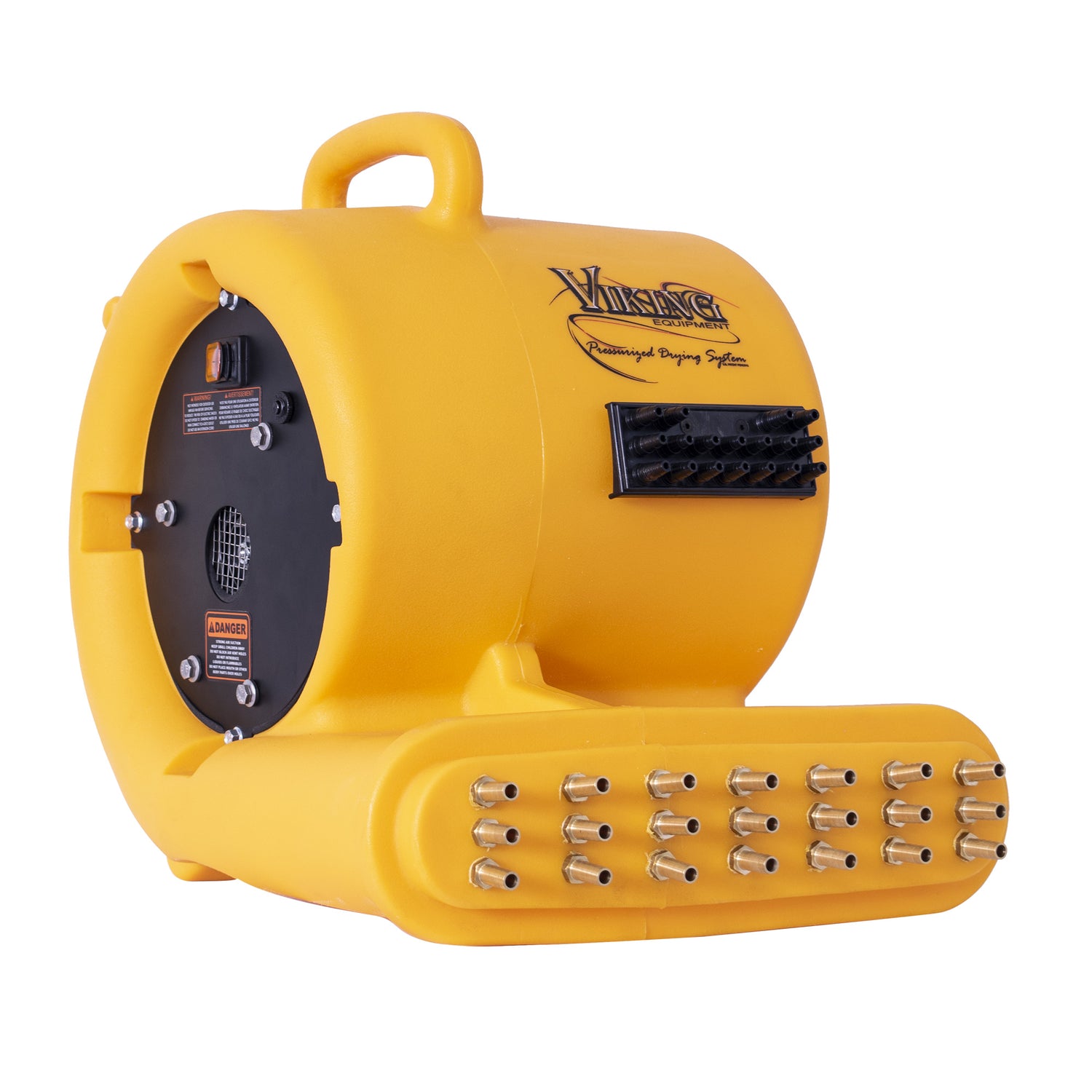
Séchoirs à cavité murale
Les systèmes de séchage à cavité murale sous pression de XPOWER vous...


Save on Water Damage Equipment
-

Buy More, Save More
Get a discount every time you order two or more. Offer applies to Air Movers and Air Scrubber Filters.
-

Packaged Deals
View PackagesGet the core equipment you need to respond to water damage in one package.


More Restoration Equipment & Accessories
-
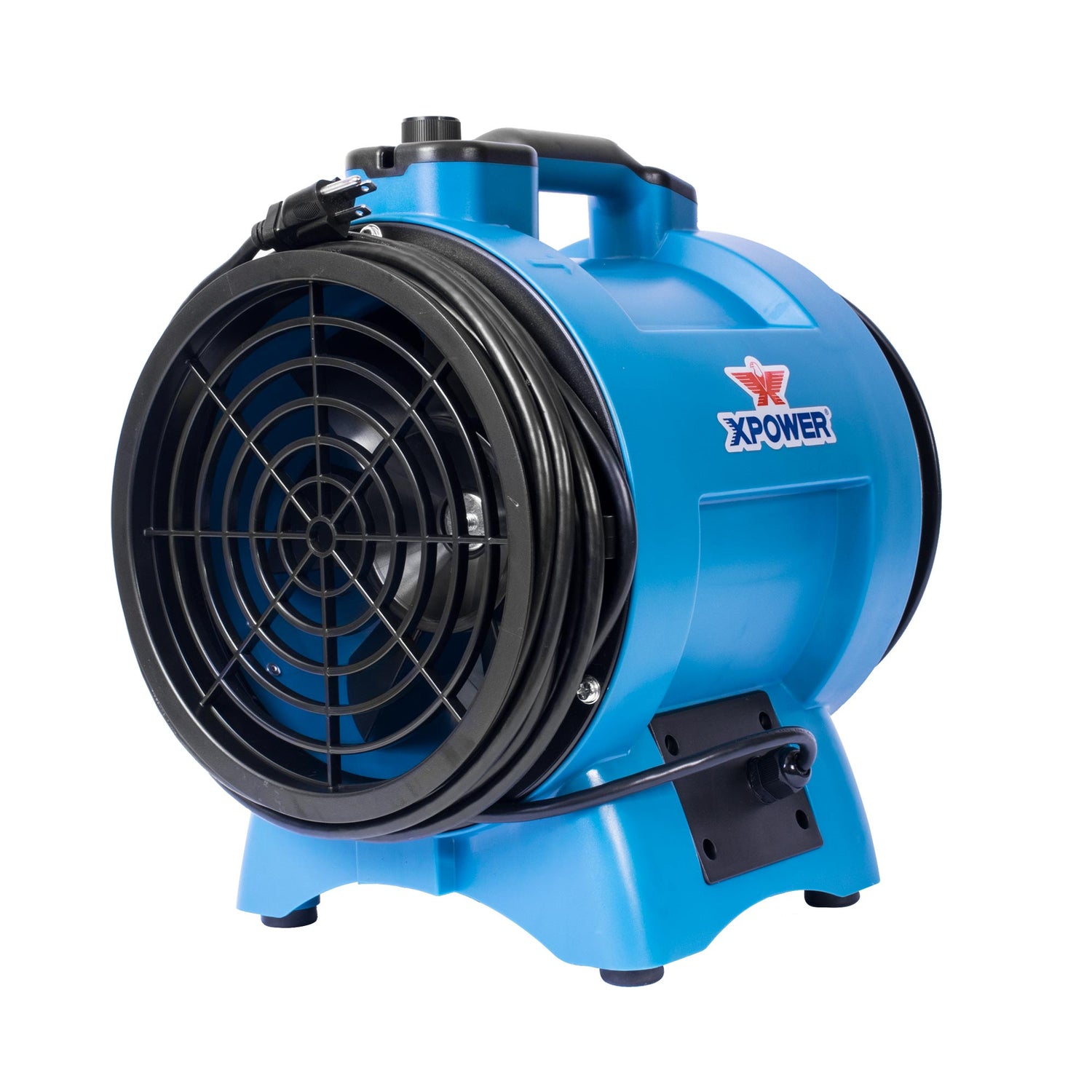
Ventilateurs pour espaces confinés
Les ventilateurs pour espaces confinés gèrent n'importe quel espace étroit avec des...
-
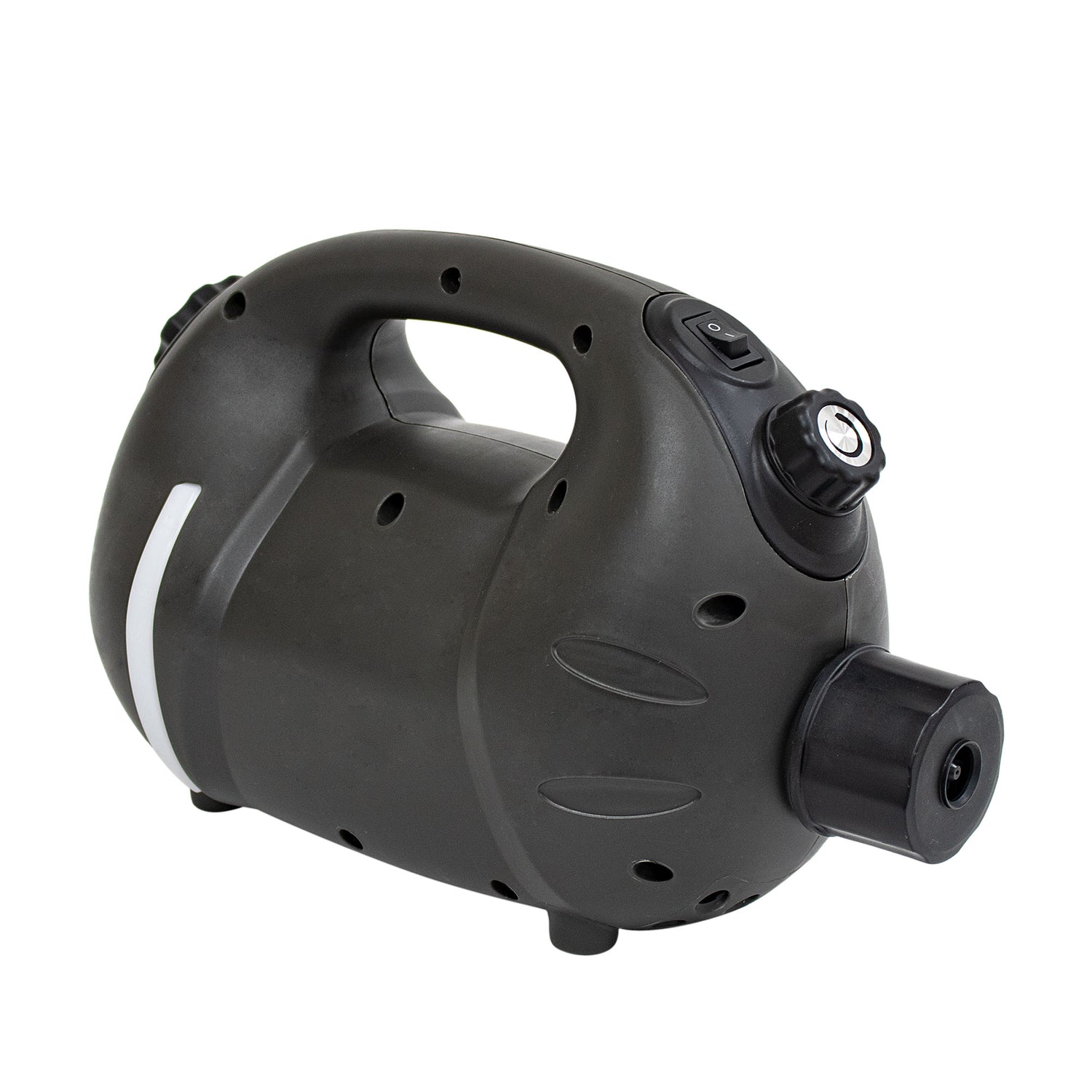
Nébulisateurs à froid ULV
Les brumisateurs traitent efficacement un espace entier rapidement et avec un minimum...
-
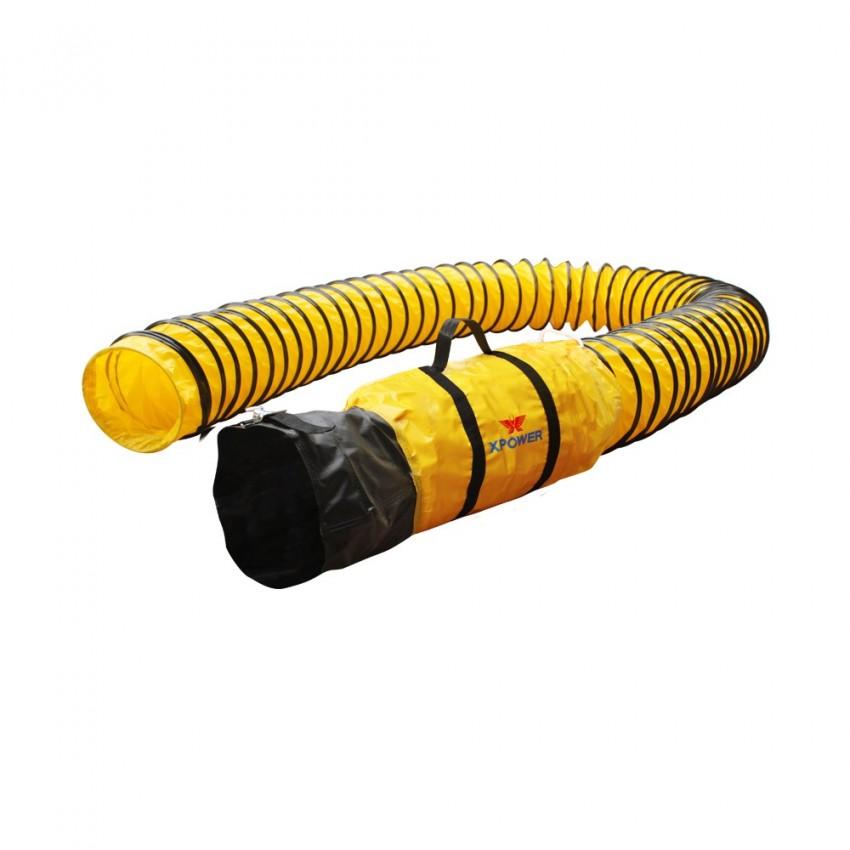
Conduits flexibles
Les tuyaux de canalisation sont utilisés pour les travaux de chauffage, de...

Shop All Restoration Equipment
-
Déshumidificateur commercial XPOWER XD-85L2 LGR (85 PPD/145 PPD) avec pompe, tuyau de vidange et affichage numérique
Prix habituel $3,363.99 CADPrix habituelPrix unitaire par -
XPOWER XD-130Li LGR Dehumidifier 125/220 PPD
Prix habituel $4,533.99 CADPrix habituelPrix unitaire par -
Mini épurateur d'air X-2580, filtration en 4 étapes incl. Filtres au charbon/HEPA, 1/2 HP, 550 CFM
Prix habituel $1,436.99 CADPrix habituelPrix unitaire par -
Moteur d'air XPOWER X-600A (1/3 CV)
Prix habituel $559.99 CADPrix habituelPrix unitaire par -
Moteur d'air à profil bas XPOWER XL-730A (1/3 HP) - 5 vitesses
Prix habituel $559.99 CADPrix habituelPrix unitaire par -
XPOWER X-47ATR Ventilateur Axial Professionnel (1/3 HP)
Prix habituel $659.99 CADPrix habituelPrix unitaire par -
Déshumidificateur industriel XPOWER XD-165L (165 PPD/280 PPD) pour la restauration des dégâts d'eau, l'élimination des moisissures
Prix habituel $5,469.99 CADPrix habituelPrix unitaire par -
XPOWER X-48ATR Ventilateur axial professionnel haute température (1/3 HP)
Prix habituel $825.99 CADPrix habituelPrix unitaire par -
XPOWER X-3400A Épurateur d'air professionnel HEPA
Prix habituel $2,085.99 CADPrix habituelPrix unitaire par -
XPOWER Viking PDS-21 Séchoir à cavité murale sous pression
Prix habituel $1,339.99 CADPrix habituelPrix unitaire par -
XPOWER X-2480A Mini épurateur d'air HEPA professionnel à 3 étapes
Prix habituel $1,498.99 CADPrix habituelPrix unitaire par -
XPOWER XL-760AM Déménageur d'air à profil bas (1/3 HP) - 1 vitesse avec compteur horaire
Prix habituel $559.99 CADPrix habituelPrix unitaire par$589.99 CADPrix promotionnel $559.99 CADPromotion


What equipment do I need for water damage restoration?
The equipment you need depends on the size of the water loss, what materials are affected, and how quickly you need to get the area dry.
For most water damage restoration jobs, you'll want air movers and an LGR dehumidifier to get moisture moving out of wet materials and out of the air. You may also need a HEPA air scrubber for airborne dust or contaminants, or a wall cavity dryer when moisture has gotten behind walls or into other hard-to-reach areas.
For larger jobs or if you're just starting a new restoration company, a complete water damage drying system can give you the core equipment you need in one package.
How many air movers do I need?
The number of air movers you need depends on the size of the affected area, how much water is involved, the materials that are wet, and the drying conditions.
There isn't one universal rule such as “one air mover per 100 square feet.” Instead, you should look at the actual affected areas and the conditions of the space.
As a starting point, the IICRC (Institute of Inspection Cleaning and Restoration Certification) air-mover calculation worksheet calls for:
- 1 air mover in every affected room
- 1 additional air mover for every 50–70 sq. ft. of affected wet floor
- 1 additional air mover for every 100–150 sq. ft. of affected wall and ceiling area above approximately 2 ft.
- 1 additional air mover for each wall inset or offset greater than 18 in.
For more help and calculation guidelines, please read our Guide to Choosing the Right Air Movers for Water Damage.
What is an LGR dehumidifier?
An LGR (Low Grain Refrigerant) dehumidifier helps you remove large amounts of moisture from the air during water damage restoration.
After water gets into carpet, drywall, wood, flooring, and other materials, you need to get that moisture out of the building. An LGR dehumidifier helps by pulling moisture from the air, while your air movers help move moisture off wet surfaces.
Using the two together can help you dry a water-damaged property faster and get the space back into use sooner.
In a typical water damage restoration setup, an LGR dehumidifier works together with air movers:
- Air movers circulate air across wet surfaces and accelerate evaporation.
- The LGR dehumidifier removes the moisture from the air.
- Together, they help create the conditions needed for faster structural drying.
Why use an LGR instead of a standard dehumidifier?
LGR dehumidifiers are designed specifically for demanding drying applications and can generally achieve lower humidity levels and greater moisture removal performance than conventional residential dehumidifiers.
When choosing an LGR, consider the unit's moisture removal capacity, airflow, operating temperature range, electrical requirements and the size and conditions of the drying project.
For water damage restoration, an LGR dehumidifier is typically used as part of a complete drying system rather than on its own. Pairing the right dehumidifier with properly positioned air movers is important for effective structural drying.
Do I need an air scrubber for water damage?
Not every water damage job needs an air scrubber but it can help you when you're dealing with airborne dust, mould spores, contaminants, or other particles during demolition, remediation, or restoration work.
A HEPA air scrubber pulls air through its filters and returns cleaner, filtered air to the work area. This can help you manage airborne particles while you're working.
If you're dealing with musty, damp, mouldy, or sewage-related odours, an air scrubber with a carbon filter can also help remove stubborn odours from the air. This can be especially useful when you're trying to improve the air quality in a water-damaged space.
For straightforward clean-water drying where airborne contamination or odours aren't a concern, an air scrubber may not be necessary.
What is the difference between a centrifugal and axial air mover?
The main difference is how they move air and where they're most useful.
A centrifugal air mover is a good choice when you need to direct airflow across wet surfaces or work against some resistance. They're commonly used for structural drying and give you good control over where the air is going.
An axial air mover moves a large volume of air in a more direct path. They're useful when you need to move a lot of air for ventilation, circulation, or larger drying areas.
When choosing between the two, think about the type of drying job you're doing, where you need the airflow to go, and how much air you need to move.
Can I buy a complete water damage restoration equipment package?
Yes! A complete water damage restoration equipment package can help you get the core equipment you need for a restoration job in one package.
Depending on the package, you may get an LGR dehumidifier, multiple air movers, and a HEPA air scrubber. The right setup will depend on the size and severity of the water damage.
For restoration contractors, a complete equipment package can save you time (and money - you get a discount) when building your equipment inventory because you don't have to choose every piece individually.
Are replacement parts available for XPOWER equipment?
Yes — replacement parts are available for many XPOWER machines, so you can keep your equipment working and avoid replacing an entire unit when a part needs attention. You can find parts here.
What warranty comes with XPOWER equipment?
Airflow Go is an authorized reseller of XPOWER equipment in Canada, which means that the equipment we sell you comes with a 1-year limited warranty covering defects in materials and workmanship when the equipment is used as intended.
When you purchase from Airflow Go, the warranty starts from the date your equipment is delivered and includes parts, labour, and one-way shipping within Canada, subject to the warranty terms and exclusions.
For restoration professionals, having Canadian warranty coverage means you can have peace of mind knowing there is support available if something goes wrong with your equipment.